
Blogs
Beyond Pleasure: The Crucial Science of Toy Lubrication and Hygiene
In the modern landscape of sexual wellness, phallic toys have transitioned from hushed-up novelties to mainstream essentials for self-care, exploration, and partner play. Yet, while much attention is paid to selecting the perfect shape, size, or vibration pattern, two critical components of sexual health and device longevity are frequently overlooked: proper lubrication and meticulous hygiene. Treating these practices as mere afterthoughts is a mistake that can compromise both physical health and the lifespan of your investment. Understanding the science behind how these products interact with our bodies and materials is key to a safe, satisfying experience.
The Friction Equation: Why Lubrication is Non-Negotiable

Human skin and mucosal tissues are remarkably resilient, but they are not designed to withstand the sustained, dry friction of synthetic materials. Unlike human skin, which produces its own natural moisture, phallic toys made of silicone, glass, or elastomer remain completely dry during use. When utilized without adequate lubrication, these materials can cause microscopic tears in the delicate tissues of the vagina or anus. These micro-tears are not only uncomfortable, but they also serve as open pathways for bacteria, yeast infections, and sexually transmitted infections (STIs).
Lubrication is the essential buffer that translates mechanical movement into smooth, pleasurable sensation. It mimics the body’s natural state, reducing friction to near zero and allowing the user to focus entirely on pleasure rather than discomfort. Furthermore, lubrication actually enhances the functionality of the toy itself. It allows textured ridges, shafts, and vibrating elements to transmit sensations more effectively to the nerve endings. Without it, the drag of the material can dull the very sensations the toy was designed to deliver.
Navigating the Chemistry of Material Compatibility
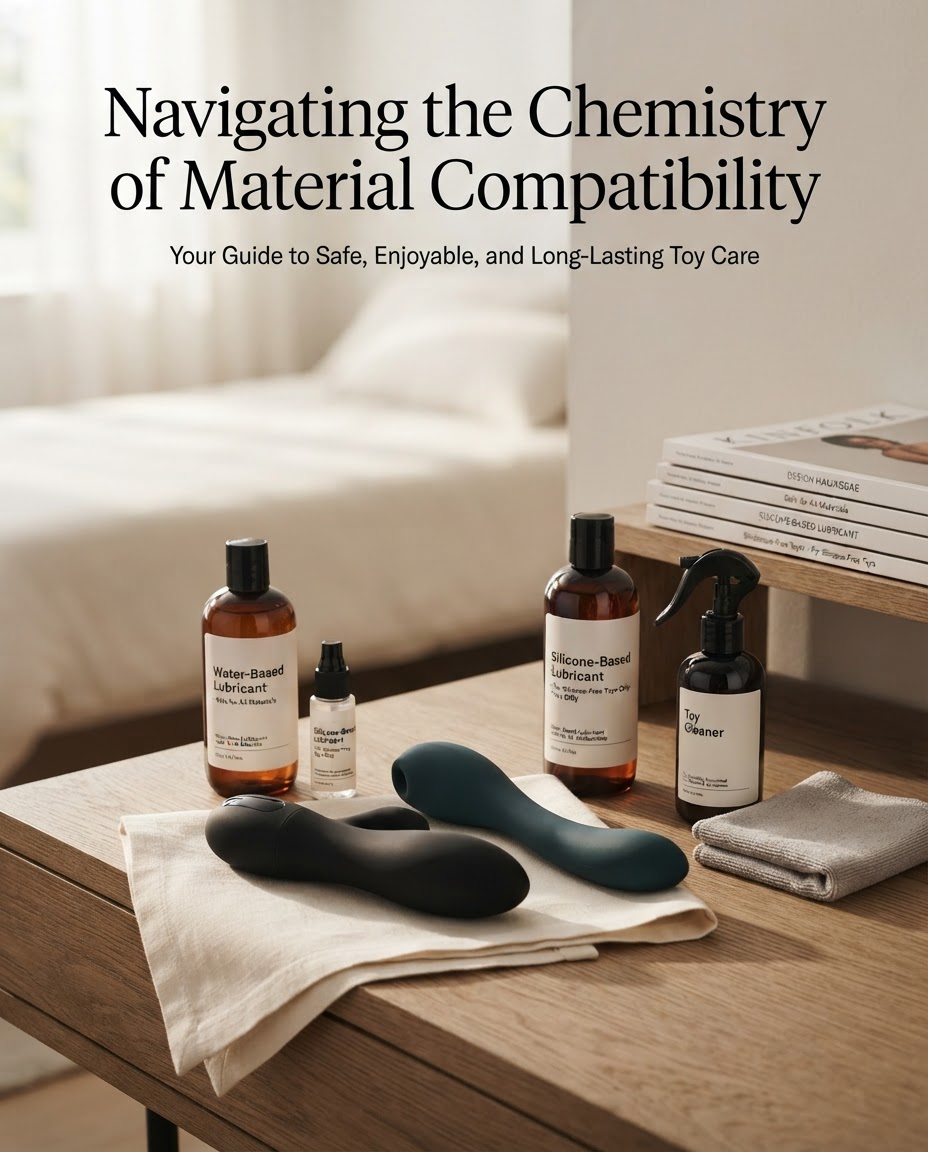
Not all lubricants are created equal, and using the wrong formulation can permanently ruin an expensive toy. The golden rule of adult wellness devices is simple: material compatibility is absolute. The vast majority of high-quality phallic toys are constructed from medical-grade silicone. While silicone is hypoallergenic, non-porous, and incredibly durable, it has a fatal chemical weakness: silicone-based lubricant. When silicone lubricant is applied to a silicone toy, the two substances chemically bond. Over time, the lubricant dissolves the surface of the toy, rendering it sticky, degraded, and impossible to properly sanitize.
For silicone toys, water-based lubricants are the undisputed standard. They are safe for all materials, easy to clean, and highly body-compatible, though they may require reapplication as they evaporate over time. For toys made of glass, metal, or ceramic, the options are far broader; these non-porous, highly resilient materials can safely pair with water-based, silicone, or even oil-based lubricants. However, if you are using toys made of TPE (thermoplastic elastomer) or TPR (thermoplastic rubber)—common in more budget-friendly options—stick strictly to water-based formulas, as these semi-porous materials degrade rapidly when exposed to oils or silicone compounds.
The Ritual of Preservation: Keeping Your Devices Clean
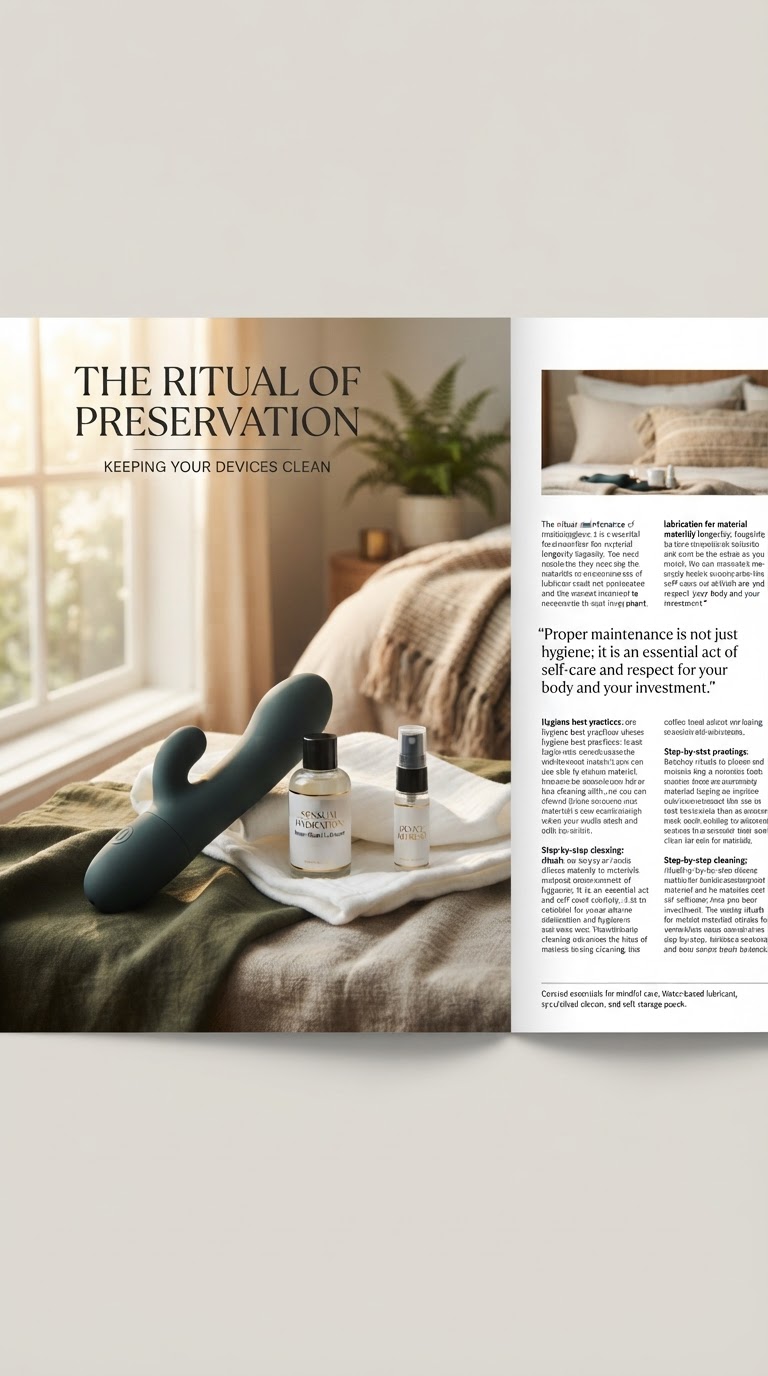
Owning an adult toy comes with an unspoken contract of hygiene. Because these devices come into contact with bodily fluids and highly sensitive anatomical regions, maintaining a strict cleaning regimen is paramount to preventing bacterial vaginosis, yeast infections, and cross-contamination. The cleaning process should begin immediately after use, before fluids have a chance to dry and adhere to the toy’s surface.
For non-porous materials like medical-grade silicone, glass, and stainless steel, a simple wash with warm water and a mild, unscented, antibacterial soap is usually sufficient. Specialized toy cleaners are also excellent, as they are specifically formulated to strip away stubborn lubricant residue and bodily fluids without degrading the underlying material.
Porous materials like TPE and TPR require even greater vigilance. Because they contain microscopic pockets that can harbor bacteria, they must be cleaned thoroughly, dried completely, and often dusted with cornstarch or specialized renewal powders to prevent them from becoming sticky. Regardless of the material, never store your toys together in a shared drawer where they touch; different plastics and silicones can chemically react with one another and melt. Store them individually in breathable satin or cotton pouches, away from dust, pet dander, and direct sunlight to ensure they remain safe, sterile, and ready for your next session.